Is pricing your River Edge home keeping you up at night? You want a strong sale price without scaring off buyers or sitting on the market. The good news: a clear method, backed by local data, gives you confidence and results. In this guide, you’ll learn how to set a price band, choose the right comps, factor in micro-location details, and use absorption rate to predict buyer behavior. Let’s dive in.
Understand River Edge pricing drivers
River Edge sits in Bergen County inside the New York metro. Many buyers prioritize commute options to NYC, so access to rail and bus often influences value. You can review stations, schedules, and service changes through NJ Transit’s official resources.
Property taxes and other carrying costs are part of the affordability equation. For background on assessments and county-level resources, the Bergen County official site is a helpful starting point.
Flood risk also matters to buyers and lenders. Review your parcel’s status on the FEMA Flood Map Service Center. Flood zone placement can affect both insurance costs and buyer demand.
As with most Northeast suburbs, seasonality plays a role. Spring through early summer often brings more buyers and listings. Renovation permits and final inspections can also impact value and buyer confidence, especially for additions, finished basements, and major systems.
Build a rock-solid CMA
A Comparable Market Analysis, or CMA, is the backbone of smart pricing. It uses recent sales and active competition to outline a realistic price band.
Here’s the process:
- Define your property profile
- Beds and baths, finished square feet, lot size
- Year built, renovation level, and systems
- Basement finish and egress, garage and parking
- Unique features and any permitted work
- Choose the right comparable sales
- Start within 0.25 to 1 mile in River Edge and the same micro-area when possible
- Use closed sales from the last 3 to 6 months, then expand the window only if needed
- Add 1 to 2 pending and 1 to 2 active listings to see direction and competition
- Review expired or withdrawn listings to spot price ceilings
- Compare unit metrics
- Use price per finished square foot as a baseline, then adjust for layout and condition
- Look at list-to-sale ratios to see how much homes have been discounting
- Make objective adjustments
- Beds, baths, square footage, and lot size
- Finished basements and legal egress
- Renovation quality, age of roof, windows, HVAC
- Location differences like rail proximity, busy streets, or flood zones
- Time adjustments if the market has shifted since a comp sold
- Synthesize a price band
- Present a low, mid, and high recommendation with clear notes
- Choose where to list within the band based on strategy and market speed
A professional CMA goes beyond automated estimates by factoring in interior condition, permit status, and on-the-ground nuance. For an overview of best practices, the National Association of REALTORS provides resources on pricing and CMAs.
Select better comps in River Edge
Use the smallest practical radius to capture true neighborhood dynamics. Keep elementary, middle, and high school boundaries in mind, as they can influence buyer demand and price differentials. Maintain neutral, factual language and confirm boundaries directly with official sources.
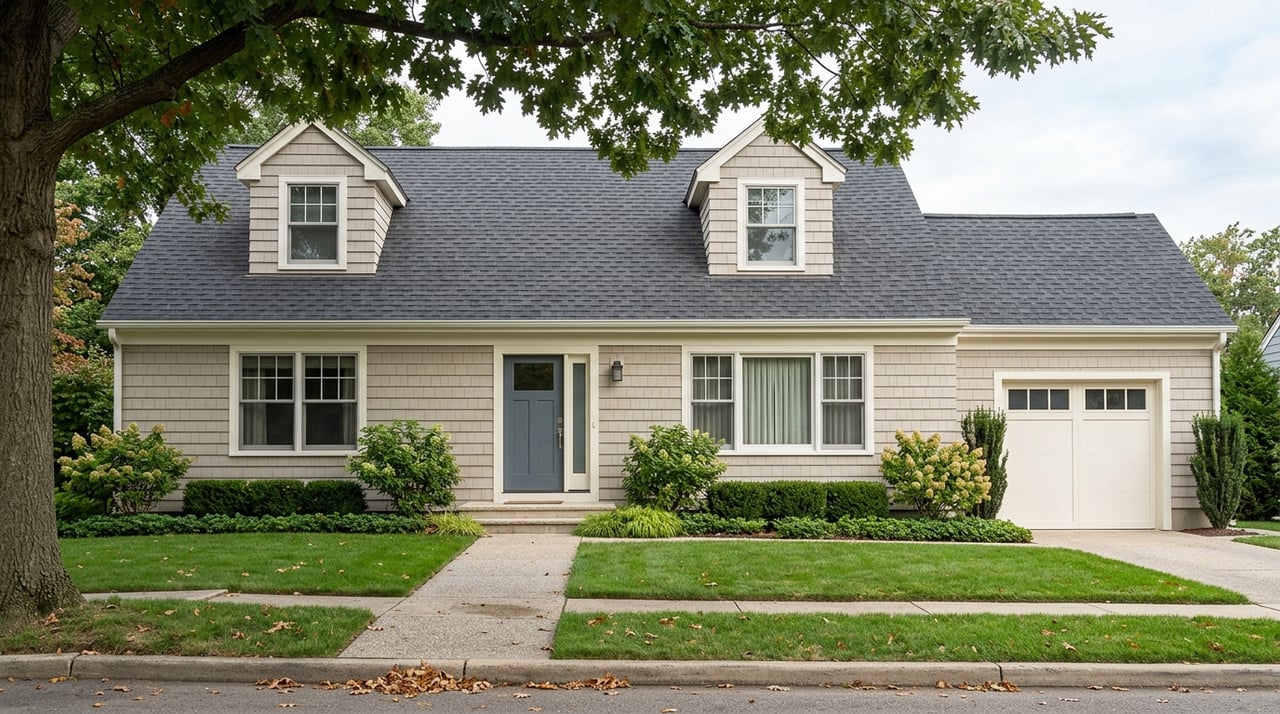
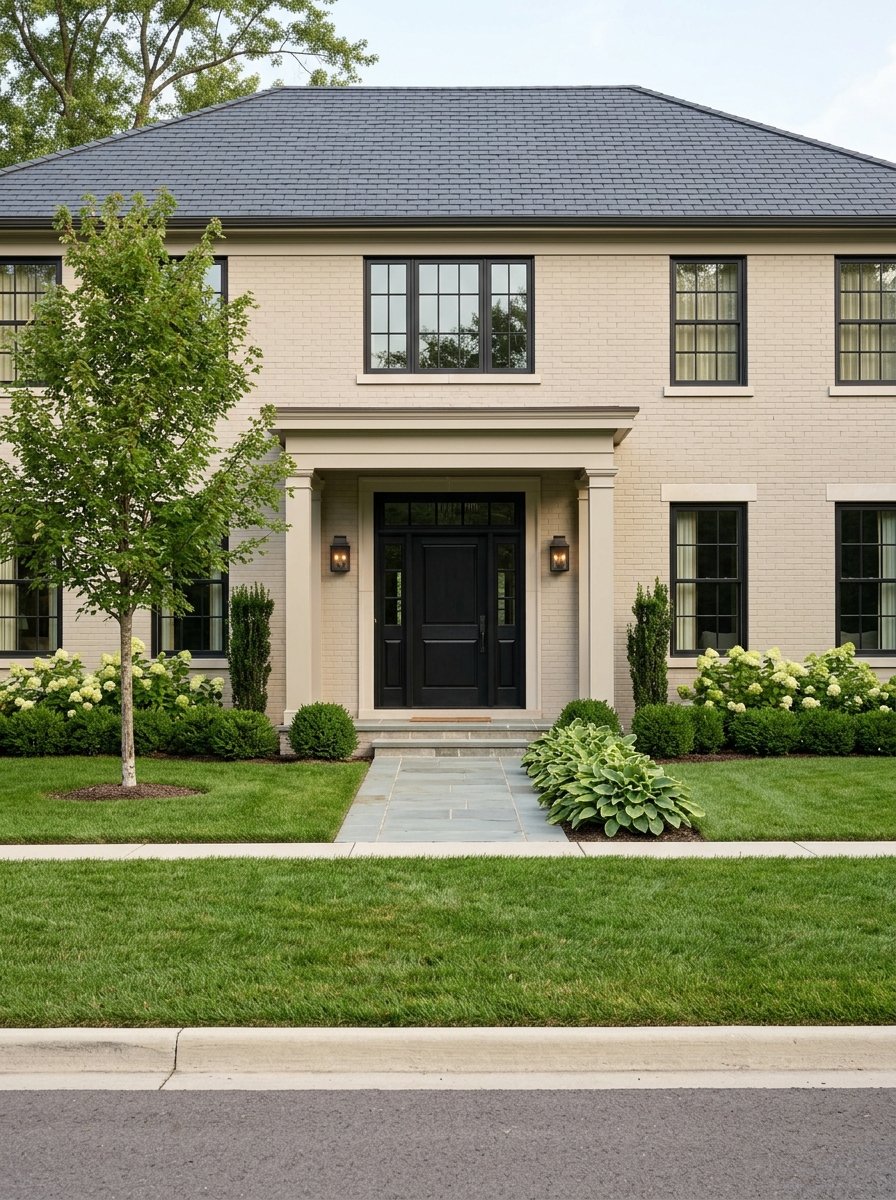
Prioritize similar style and size. For example, compare capes to capes or colonials to colonials when possible. If you must cross property types or sizes, be ready to apply clear adjustments.
Include a spread of comps: three to six recent solds, plus actives, pendings, and one or two expireds. This gives you both value evidence and a read on buyer tolerance for higher prices.
Make smart, defensible adjustments
Adjustments should be consistent and supported by notes or paired-sales logic. Common River Edge adjustments include:
- Commute access: Close-to-station locations can draw more buyers, but homes immediately next to tracks may face noise trade-offs.
- Flood zone: Placement inside a flood zone typically narrows the buyer pool due to insurance needs. Confirm with the FEMA map.
- Street type: Quiet residential streets and cul-de-sacs can be preferred over busy roads.
- Lot and yard: Flat, usable yards and room for expansion often command premiums.
- Renovations and permits: Updated kitchens and baths plus documented permits tend to support higher pricing.
Document each adjustment with source notes, such as MLS remarks, permit checks, assessor data, or walk-through observations.
Weigh pricing strategies
Your price should align with both evidence and your goals. Three common approaches work in River Edge:
- Market price: Price near the middle of the band to attract steady traffic and a normal time on market.
- Slightly under-market: List just below comps to spark showings and possible multiple offers in fast markets.
- Aspirational: List near the top of the band to test buyer appetite. Be prepared for longer days on market and a potential reduction if activity lags.
Overpricing can backfire by increasing days on market and weakening your negotiating position later. Pricing close to market value typically yields quicker sales and stronger list-to-sale outcomes, a dynamic supported by industry research from organizations like the National Association of REALTORS and analytics firms such as CoreLogic.
Use absorption rate wisely
Absorption rate helps you gauge supply and demand in your immediate area. Calculate it like this:
- Absorption rate = homes sold in a period divided by active listings
- Months of inventory = active listings divided by monthly sales
Interpretation:
- High absorption and low months of inventory suggest a seller’s market. You may not need to undercut comps to get attention.
- Low absorption and high months of inventory suggest a buyer’s market. Consider leaning toward the lower or mid point of your band.
Compute absorption locally for River Edge or your micro-neighborhood, not just county-wide. Trend direction matters too. If absorption is rising, an aggressive strategy may work. If it is falling, price more conservatively and plan for tighter negotiation.
Optimize your price band
Think about how buyers search. Many filter by maximum price. A small difference in list price can change how many buyers see your home online. For example, 599,000 can capture buyers set at a max of 600,000, while 600,000 may show up in a different bracket.
Set a clear low, mid, and high band after your CMA. Then decide where to list based on your timing, tolerance for negotiation, and reading of the current competition. Keep your adjustments and band logic in writing so you can pivot quickly.
Watch early-market signals
The first 2 to 4 weeks tell you a lot. Track:
- Showings vs. comparable listings
- Online saves, inquiries, and repeat visits
- Feedback themes about condition, layout, and price
If activity is much lower than expected, confirm your marketing is complete and accurate, then revisit your price. If you reduce, time it thoughtfully and coordinate with any new competing listings.
Avoid common pricing mistakes
- Chasing an outlier sale: One record-high comp with unique features can mislead pricing if you ignore the broader range.
- Ignoring carrying costs: Taxes and insurance affect affordability and can limit buyer budgets.
- Overlooking flood risk: A surprise flood zone discovery late in the process can stall deals. Verify status early on the FEMA site.
- Skipping permit checks: Unpermitted work reduces buyer confidence. Pull records through local offices or county resources via the Bergen County site.
- Setting and forgetting: Markets shift. Reassess your CMA when new sales close or competing listings change.
Prep your home to support price
Presentation strengthens your price case. Focus on:
- Safety and system basics: Service HVAC, fix leaks, and replace burned-out bulbs
- High-impact updates: Paint, lighting, hardware, and landscape cleanup
- Staging and photos: Clean lines and light help rooms feel larger
- Documentation: Gather permits, warranties, survey, and a recent utility history
If commuters are a likely buyer pool, highlight transit options and realistic door-to-door times. Link to schedules and maps from NJ Transit for clarity.
Get a local, data-backed plan
Pricing your River Edge home is part math, part market feel. A tailored CMA, micro-location adjustments, and a smart price band can help you attract the right buyers and negotiate with confidence. If you want a clear, friendly walkthrough and a pricing plan built for your block, reach out to Miriam Yu for a conversation.
FAQs
How many comparables should I use for a River Edge home?
- Aim for 3 to 6 recent nearby solds, plus 1 to 2 active and 1 to 2 pending or expired listings for context.
How recent should comps be when setting price?
- Prefer within 90 days when possible, and extend to 6 months if the market is slower or inventory is thin.
What is absorption rate in River Edge pricing?
- Absorption rate shows how quickly homes sell relative to supply. Use it to decide whether to price aggressively or conservatively based on local demand.
Should I price below comps to get multiple offers?
- It can work in active markets to boost showings and urgency. Balance that tactic against the risk of leaving money on the table if buyer demand is thinner.
How much does train access matter to River Edge buyers?
- Commute convenience often commands a premium, but homes immediately adjacent to tracks may face noise trade-offs. Compare comps at different distances and review NJ Transit resources.
When should I consider a price reduction in River Edge?
- If showings are far below expectations or your days on market exceed neighborhood norms, first verify marketing is complete, then revisit price and timing.