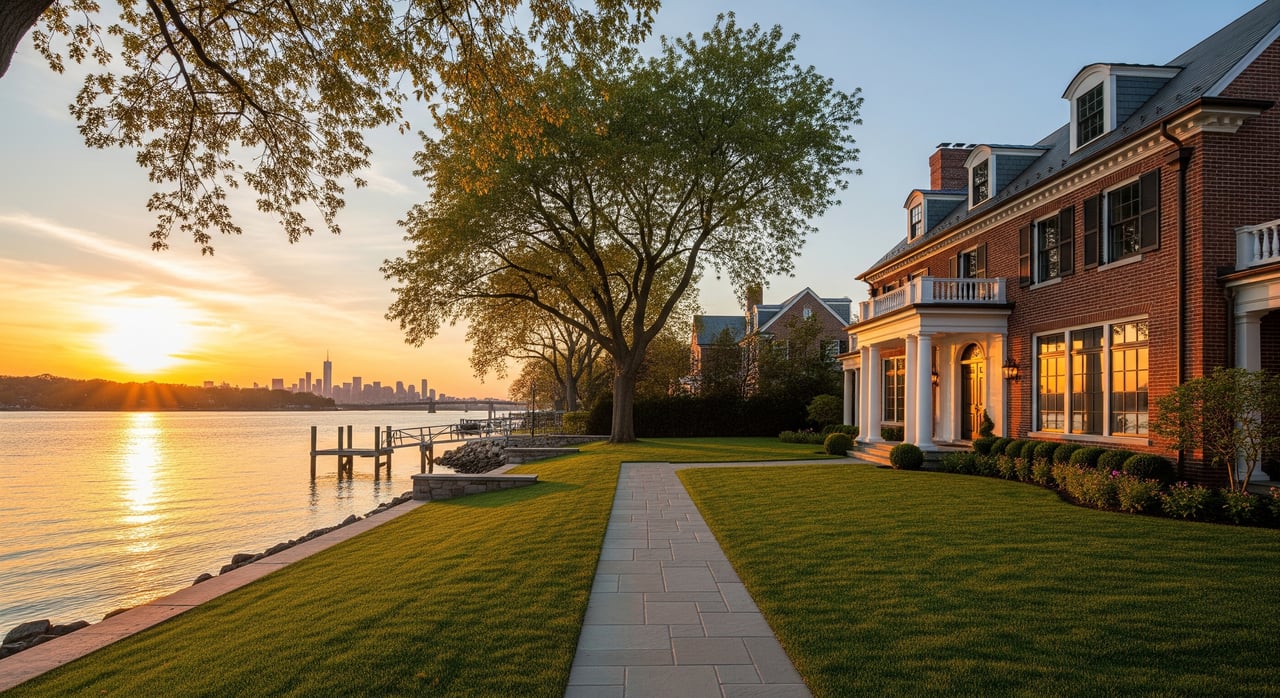
Thinking about a Bergen County suburb that gives you an easy rhythm of daily life plus realistic access to NYC? River Edge might be on your shortlist. You want tree‑lined streets, local parks, and a straightforward commute without giving up convenience. In this guide, you’ll learn what daily life feels like in River Edge, from housing and commuting to parks, schools, and practical tradeoffs like taxes and flood risk. Let’s dive in.
Where River Edge fits in Bergen County
River Edge is a small borough along the Hackensack River in central Bergen County. You sit near Paramus, Hackensack, and Oradell, which means quick trips to shopping, hospitals, and county services. The town’s layout reflects a classic suburban feel with sidewalks, neighborhood parks, and residential blocks.
Buyers often choose River Edge for its neighborhood character and location relative to New York City employment centers. You get the benefits of a suburban community with access to major road and transit corridors that connect you to Manhattan and nearby job hubs.
Homes and neighborhood feel
River Edge’s housing stock blends mid‑century charm with ongoing renovations. You’ll find a mix of styles and lot sizes that fit different needs and budgets.
Common home types
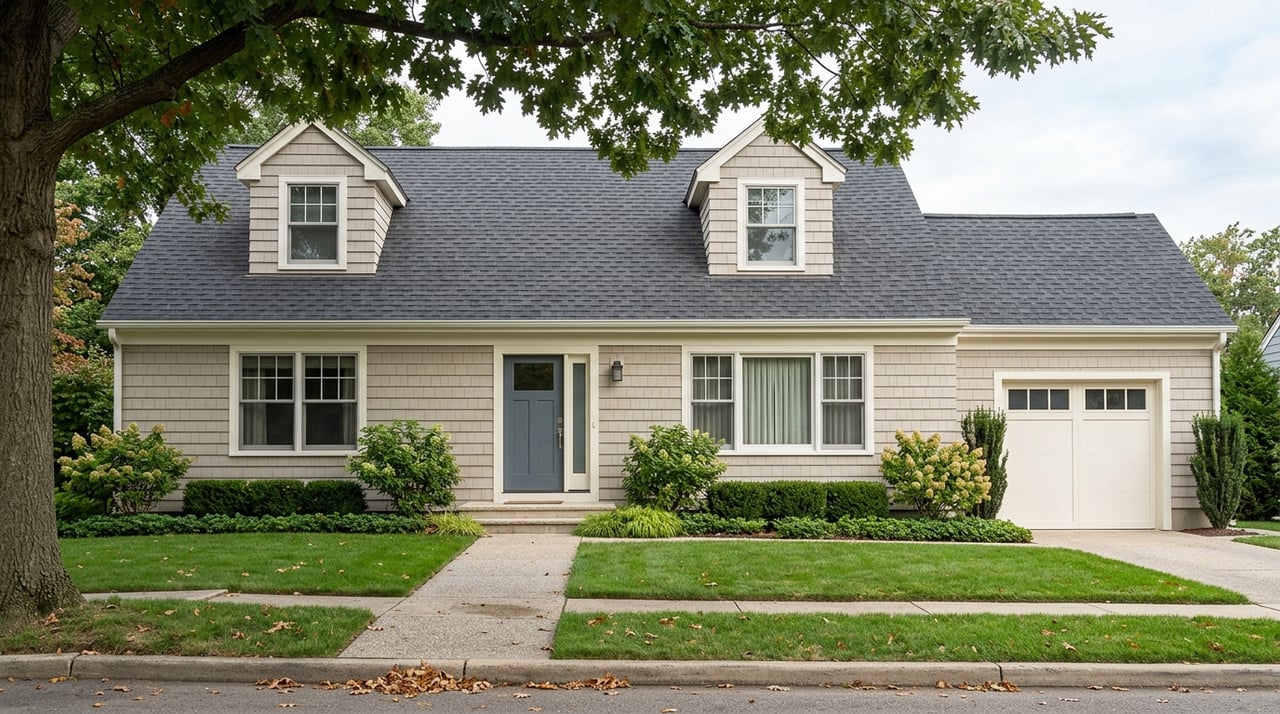
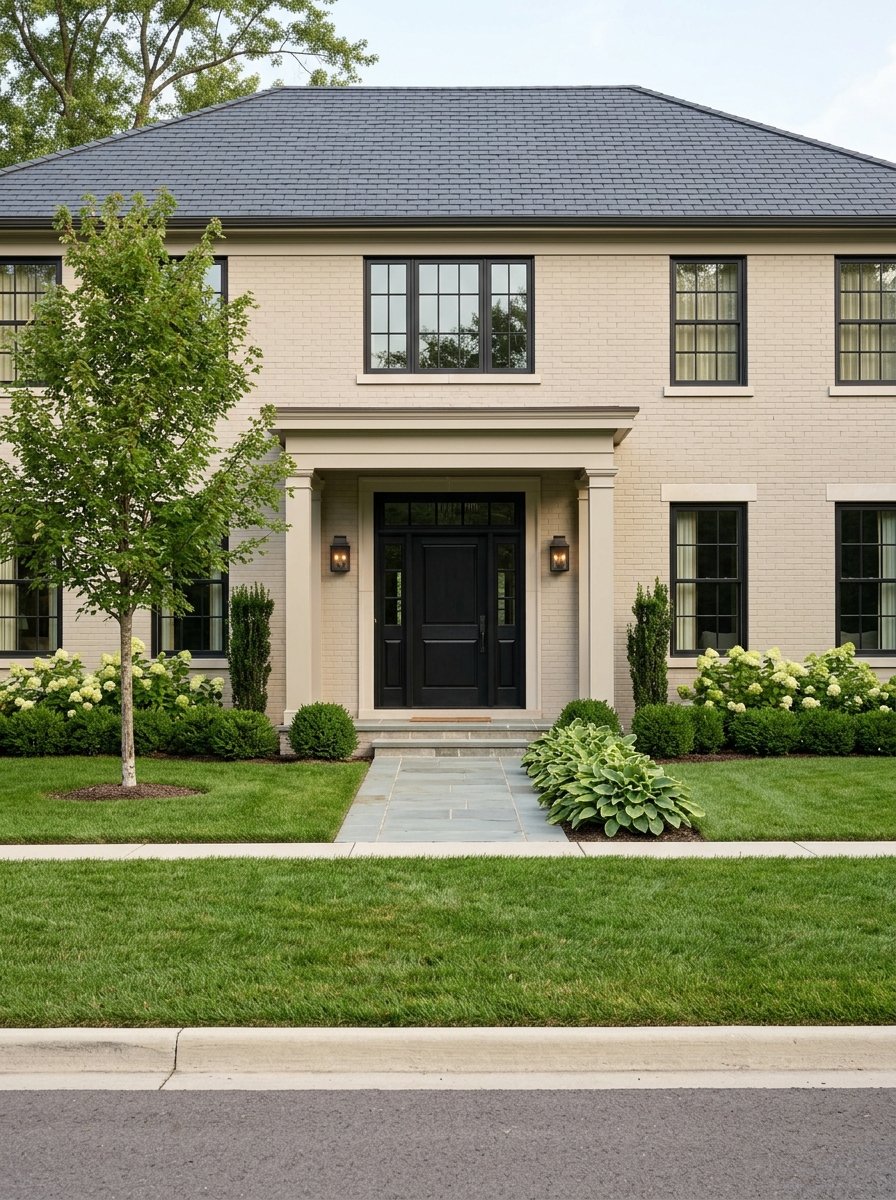
- Predominantly single‑family detached homes, including post‑war colonials, capes, ranches, and mid‑century styles.
- A smaller supply of twins, townhomes, and condos compared to some larger neighboring towns.
- Ongoing renovation and tasteful rebuilds add modern layouts and updated systems to classic blocks.
Lot sizes and streets
- Lots are suburban in scale, with modest to mid‑sized yards that are easy to maintain.
- Older blocks can feel cozy and walkable with established trees and sidewalks.
- Homes near the Hackensack River may offer quick access to open space, while interior blocks feel more purely residential.
Market pace and pricing
- Bergen County home values generally sit above national averages, and River Edge aligns with that trend.
- Pricing, days on market, and inventory shift quickly. You’ll want current MLS snapshots and recent closings to understand the live picture before you make an offer.
- If you are exploring different price points, focus on tradeoffs like finished basements, garage size, and proximity to transit rather than chasing a hard number that can change week to week.
Getting around and commute
River Edge is well positioned for commuting into Manhattan and other North Jersey job centers. Residents use a mix of rail, bus, and car depending on schedule and destination.
Train and bus options
- NJ Transit rail service in the area includes lines such as the Pascack Valley Line and the Main and Bergen County corridors. You can typically connect to Midtown with a transfer, depending on time of day and route.
- NJ Transit and private commuter buses operate along major corridors like Route 4 and Route 17 with service to the Port Authority Bus Terminal and Midtown. Schedules vary, so plan around peak and off‑peak windows.
Driving routes and times
- Common driving routes include Route 4, Route 17, the Garden State Parkway, and approaches toward the George Washington Bridge or Lincoln Tunnel.
- Door‑to‑door to Midtown often falls roughly in the 30 to 60 minute range depending on the time of day, parking, and your exact origin and destination.
- Expect heavier traffic during peak hours, especially near major retail corridors and bridge approaches.
Parking and permits
- Many commuters drive to a nearby station or use park‑and‑ride options. Street parking rules and permit systems can vary by block.
- If commuting by rail or bus, verify permit needs and daily lot availability before you set a routine.
Schools and learning
Families often ask how schooling works. The borough is served locally for the early grades and participates in a regional setup for upper grades with a neighboring community, a common model in Bergen County.
Public school structure
- River Edge provides local elementary education. For middle and high school, students typically attend a regional district shared with a neighboring town.
- For objective information, look at New Jersey School Performance Reports, which outline test data and college‑readiness indicators for each school.
- Verify attendance zones and any program offerings directly with the district, since boundaries and services can shift over time.
Early childhood and after‑school
- You’ll find a range of private preschools and childcare centers in and around the borough.
- Borough recreation programs, the public library, and community organizations often host after‑school and seasonal activities.
Parks, history, and recreation
Nature, history, and neighborhood green spaces are part of the appeal in River Edge and nearby towns.
Local parks and riverfront
- Neighborhood parks provide fields, playgrounds, and space for pickup games and picnics.
- The Hackensack River corridor offers opportunities for walks and fresh air. Check local maps for paths and access points.
- The historic New Bridge Landing area highlights local heritage and hosts occasional community events.
Regional green spaces
- Overpeck County Park is a short drive away and features trails, athletic fields, and scenic water views.
- Van Saun Park in nearby Paramus offers playgrounds, a carousel, seasonal programming, and the Bergen County Zoo.
- County facilities also support youth sports and adult recreation across multiple sites.
Shopping, dining, and everyday errands
Life in River Edge puts you close to both local conveniences and some of North Jersey’s biggest retail hubs.
Nearby retail hubs
- Paramus is one of the region’s shopping capitals, with destinations like Garden State Plaza and Bergen Town Center just a short drive away.
- Hackensack offers a mix of big‑box and main‑street style services, plus county and civic buildings.
- In town, you’ll find everyday essentials, from coffee and casual dining to salons, gyms, and pharmacies.
Eating out and coffee
- River Edge features a steady mix of family restaurants and takeout spots for easy weeknights.
- Nearby Bergen County communities add diverse options for international cuisine and sit‑down dining.
- For weekends, you can pair errands in Paramus or Hackensack with a meal, coffee, or a movie without a long drive.
Healthcare and services
- Hackensack University Medical Center and other regional facilities in nearby towns provide hospital care and specialized services.
- Local urgent care and primary care options are available across Bergen County.
- Municipal services in River Edge include local police and fire, with community updates posted on borough channels.
Practical tradeoffs to weigh
Every suburb has tradeoffs. Knowing them upfront helps you set a realistic budget and pick the right block.
Property taxes and ownership costs
- New Jersey has one of the highest property tax burdens in the country. When you run monthly numbers, include principal, interest, taxes, insurance, utilities, and potential HOA dues if applicable.
- Compare sample tax bills on homes in your price band so you can understand the annual cost difference between neighborhoods.
Flood risk and insurance
- Proximity to the Hackensack River means some properties sit in or near flood zones.
- Review FEMA Flood Insurance Rate Maps and discuss insurance implications with your lender and insurer early. Flood insurance can affect affordability and closing timelines.
- If you are considering a river‑adjacent block, ask for the property’s flood history, elevation information, and any mitigation measures.
Zoning and redevelopment
- In popular Bergen County suburbs, teardown and rebuild activity can occur as lots become more valuable.
- Check municipal zoning maps and recent planning board minutes to understand height, lot coverage, and set‑back rules before you renovate or expand.
- If you value a quiet street, factor in potential construction periods on nearby lots.
Noise and traffic corridors
- Homes closer to Route 4, Route 17, and major shopping zones can experience more traffic and road noise.
- If you want quieter evenings, explore interior blocks and visit at different times of day to sample the soundscape.
- Balance convenience against noise based on how you live. Shorter drives for errands can be worth slight tradeoffs if you favor quick access.
A quick buyer’s checklist
Use this as a starting point for tours and due diligence.
- Commute: Test a door‑to‑door trip during a weekday peak to your specific workplace. Compare train, bus, and driving times.
- Schools: Review district pages and state performance reports. Confirm attendance zones and program availability for your grade level.
- Taxes: Pull sample tax bills for homes you like. Add them into your monthly cost side by side.
- Flood and insurance: Check FEMA maps, ask for past flood claims, and price out flood insurance if applicable.
- Neighborhood feel: Walk the block at different times, check sidewalks and lighting, and note distance to parks and essentials.
- Home condition: Pay attention to roofs, windows, HVAC, and basement moisture as part of your inspection plan.
Is River Edge a fit for you?
If you want a suburban Bergen County lifestyle with realistic NYC access, River Edge deserves a close look. You get mature neighborhoods, useful parks, proximity to major retail and healthcare, and multiple ways to commute. The tradeoffs are manageable when you plan for property taxes, understand commute variability, and carefully evaluate flood exposure near the river.
Ready to explore homes and compare blocks that fit your budget and routine? Reach out to Miriam Yu for local guidance, neighborhood tours, and a step‑by‑step plan that makes your move feel clear and confident. Work with Miriam — Get a Free Consultation.
FAQs
How long is the commute from River Edge to Midtown Manhattan?
- Typical door‑to‑door times commonly range from about 30 to 60 minutes depending on your route, time of day, and whether you drive, take NJ Transit rail, or use a commuter bus.
How are River Edge public schools organized across grades?
- River Edge serves elementary grades locally and participates in a regional setup for middle and high school with a neighboring community, which is common in Bergen County.
What should I know about property taxes in River Edge, NJ?
- New Jersey property taxes are among the highest nationally, so compare sample tax bills for homes you like and include them in your monthly affordability calculation.
Are flooding concerns common near the Hackensack River in River Edge?
- Some homes near the river sit in mapped flood zones; review FEMA flood maps, ask about property history, and price flood insurance early if a home is in or near a floodplain.
What home styles are most common in River Edge, NJ?
- You’ll see many single‑family homes, especially post‑war colonials, capes, and ranches, with a mix of original features, renovations, and select rebuilds.
Is River Edge walkable and convenient for daily errands?
- Many blocks have sidewalks and local parks, and you are a short drive to major shopping and services in Paramus and Hackensack for weekly errands and appointments.