Looking at rental property in River Edge, NJ? It can be appealing for a simple reason: this is not a high-supply rental market flooded with competing units. River Edge is a mostly owner-occupied Bergen County borough with older housing, commuter access, and a smaller but meaningful base of renters. If you are thinking about buying here, the opportunity is less about chasing flashy returns and more about buying the right property, understanding local rules, and planning for stable long-term performance. Let’s dive in.
Why River Edge Gets Investor Attention
River Edge has a population of 12,235, according to the Census Bureau’s 2024 estimate. It also has a 76.2% owner-occupied housing rate, which tells you right away that this is primarily a homeowner market, not a large renter-heavy town. For an investor, that usually means limited rental supply, but also a need to be selective about pricing, condition, and tenant fit.
The borough’s housing profile supports that idea. River Edge’s housing plan says renter-occupied units make up 23.6% of the housing stock, and the 2023 vacancy rate was just 2.3%. Low vacancy can be a good sign for demand, but in a smaller suburban market like this, it also means each property type matters more.
River Edge Rental Market Snapshot
For a quick baseline, River Edge shows a median gross rent of $1,879 and a median owner-occupied home value of $660,300. Median household income is $159,028, and average commute time is 35.3 minutes. Put together, those numbers describe a higher-income commuter suburb where carrying costs can be significant and your margins may depend heavily on your purchase price and renovation scope.
Another useful data point is renter affordability. In 2023, 87.5% of renter-occupied units rented for $1,500 or more, and 27.1% rented for $2,000 or more. At the same time, 44.3% of renters were housing-cost burdened, meaning they spent 30% or more of income on housing, so demand may be real, but tenants may still be price-sensitive.
What Types of Rentals Fit River Edge
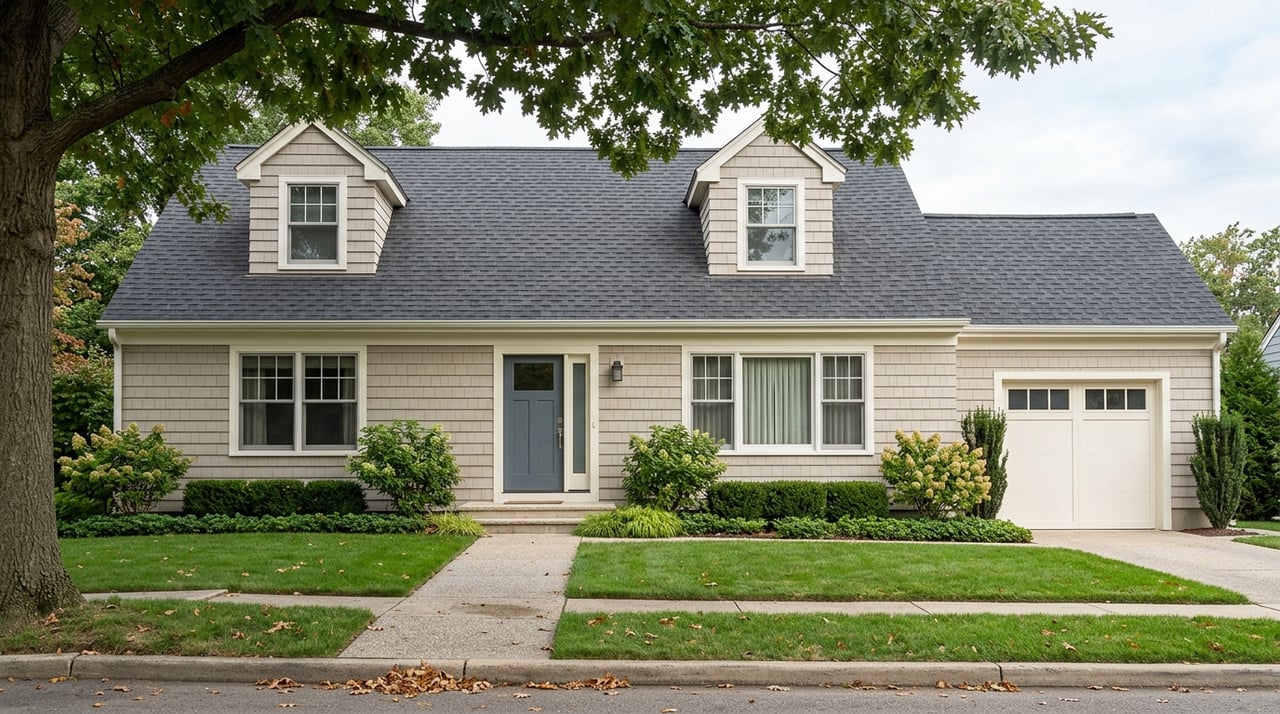
Most investable rentals in River Edge are likely to be houses or smaller residential properties rather than large apartment buildings. The borough’s 2025 housing plan says 72.8% of the stock is detached single-family homes, while multifamily buildings with three or more units account for 23.9%. Attached single-family homes and townhouses make up a much smaller share at 3.0%.
Age of housing matters too. The borough’s amended 2026 plan says 77% of the housing stock was built before 1970, and 66.2% of units have three to four bedrooms. That points to a market where older suburban homes may offer rental potential, but where maintenance, code compliance, and turnover readiness should be central to your underwriting.
Who May Rent in River Edge
River Edge appears to support a more settled, commuter-oriented renter profile rather than a short-stay or highly transient one. The borough’s 2023 housing plan says 19.3% of residents were ages 5 to 19, and average household size was 2.7. Those numbers suggest many households may value practical space, everyday convenience, and long-term livability.
Commuter access is another likely demand driver. NJ TRANSIT’s River Edge Station on the Pascack Valley Line offers parking, Wi-Fi, and bike storage. If your rental is near useful transit access or includes basics like parking and a functional layout, that can matter in a town where daily routines and commute times shape housing choices.
The local population is also diverse. Census QuickFacts reports that 27.1% of residents are foreign-born and 37.2% speak a language other than English at home. For landlords, that is a reminder that clear communication and responsive service can make a real difference during marketing, leasing, and renewals.
Why Conservative Underwriting Matters
River Edge can reward a disciplined investor, but it is not the kind of market where you want to assume easy rent growth or minimal upkeep. Home values are relatively high, much of the housing stock is older, and the renter base is smaller than in more apartment-heavy towns. That usually means your numbers should work before optimistic assumptions are added.
A practical strategy is to focus on properties that appeal to both renters and future buyers. In a borough with a high ownership rate and mostly single-family housing, resale flexibility matters. If a property can attract a quality long-term tenant now and still present well to an end user later, that can strengthen your exit options.
Local Rules to Check Before You Buy
River Edge has several local compliance rules that investors should understand early in the process. These are not small details to review after closing. They can affect your costs, timeline, and operating plan from day one.
Rental insurance registration
River Edge Chapter 337 requires owners of rental units and certain small multifamily owners to carry liability insurance and annually register a certificate of insurance with the Borough Clerk. The registration is due by February 1 each year or within 30 days of acquiring the property. The ordinance sets minimum coverage of $500,000 for rental units or business owners and $300,000 for owner-occupied multifamily homes of four or fewer units.
There is also a $100 annual fee, and failure to register can lead to a $2,000 fine. If you are evaluating a property, confirm the current status rather than assuming the seller has handled it correctly.
Rent leveling rules
River Edge also has a rent leveling ordinance. For covered units, the code limits increases for periodic tenants and at-will tenants to 4% per year and includes a hardship-rent process. However, the code also states that housing units of four or fewer units and newly constructed units rented for the first time are exempt.
This is one of the most important due diligence items for a small investor. Before you rely on projected rent increases, verify whether the specific property falls inside or outside the ordinance.
Certificate of occupancy requirements
The borough requires a certificate of occupancy before rental for apartments in buildings with three or more dwelling units. If you are buying a small multifamily or mixed residential product, that step should be part of your pre-closing planning. Delays here can affect when you can legally place a tenant.
Lead-based paint inspections
River Edge also has lead-based paint inspection rules for single-family, two-family, and multiple-dwelling rental units. Initial inspection is required within two years of July 2, 2022 or at turnover, and then every three years or at turnover unless an exception applies. Because so much of the borough’s housing stock was built before 1970, this issue is especially relevant.
Short-Term Rentals Are Not a Backup Plan
If you are considering River Edge and thinking you can always switch to short-term rental use later, be careful. The borough tightly restricts short-term rentals and requires a permit, annual renewal, local contact availability, and compliance with operating rules. The use is limited to certain owner-occupied property types, including certain single-family homes, some condo, HOA, or co-op units if governing documents allow, and two-family dwellings where one unit is owner-occupied.
For most investors, that means short-term rental income should not be treated as an easy fallback strategy. A long-term rental plan is usually the safer assumption when underwriting in River Edge.
New Jersey Landlord Rules to Know
At the state level, New Jersey requires several steps that should be built into your leasing process. Landlords must distribute the Truth in Renting Guide. Security deposits may not exceed 1.5 months’ rent, must be held in an interest-bearing account, and require written notice to the tenant.
New Jersey also requires the deposit to be returned, or the required notice sent, within 30 days after move-out. Beginning March 20, 2024, landlords must provide a Flood Risk Notice to prospective renters. State law also protects source of lawful income or lawful rent payment, which is important when evaluating your tenant screening and leasing practices.
A Smart Due Diligence Checklist
If you are serious about investing in River Edge, keep your checklist practical and local. The goal is to confirm that the property works as a rental on paper, in person, and under borough rules.
- Confirm whether the property is subject to River Edge rent leveling
- Verify rental insurance registration status and coverage requirements
- Budget for certificate of occupancy needs where applicable
- Review lead-based paint inspection obligations
- Build New Jersey security deposit and notice rules into your lease process
- Prepare to deliver the required Flood Risk Notice
- Underwrite repairs and reserves carefully for older housing stock
- Evaluate tenant appeal based on condition, parking, layout, and commute convenience
How Miriam Yu Can Help
Buying a rental property in River Edge is not just about finding a listing and estimating rent. You also need neighborhood-level judgment, a realistic view of housing stock, and a process that respects compliance from the start. That is especially true in a market where older homes, local ordinances, and smaller-scale residential inventory shape the investment picture.
Miriam Yu brings Bergen County market knowledge, responsive communication, and rental placement experience to help you evaluate opportunities with a clear plan. Whether you are looking at a first investment, a house hack, or a small multifamily property, she can help you approach River Edge with the kind of detail and care that protects your next move.
Ready to talk through your River Edge investment goals? Connect with Miriam Yu for a free consultation.
FAQs
Is River Edge, NJ a good place to buy a rental property?
- River Edge may appeal to investors who want a supply-constrained Bergen County market with low vacancy, commuter access, and long-term residential demand, but it generally calls for conservative underwriting and careful compliance review.
What kind of rental properties are common in River Edge, NJ?
- River Edge housing is mostly detached single-family homes, with a smaller share of multifamily buildings, so many investment opportunities are likely to be older suburban homes or small multifamily properties.
Does River Edge, NJ have rent control or rent leveling?
- River Edge has a rent leveling ordinance for covered units, but some properties are exempt, including housing units of four or fewer units and newly constructed units rented for the first time, so you should verify the status of a specific property.
Are short-term rentals allowed in River Edge, NJ?
- Short-term rentals are tightly restricted in River Edge and require a borough permit, annual renewal, and compliance with local rules, so they should not be assumed as a general backup strategy.
What local compliance issues matter for River Edge rental properties?
- Key items include liability insurance registration with the borough, possible certificate of occupancy requirements, lead-based paint inspections, and compliance with applicable rent leveling rules.
What New Jersey landlord rules should River Edge investors know?
- New Jersey landlords must follow state rules on the Truth in Renting Guide, security deposit limits and handling, deposit return timing, Flood Risk Notice delivery, and lawful source of income protections.